
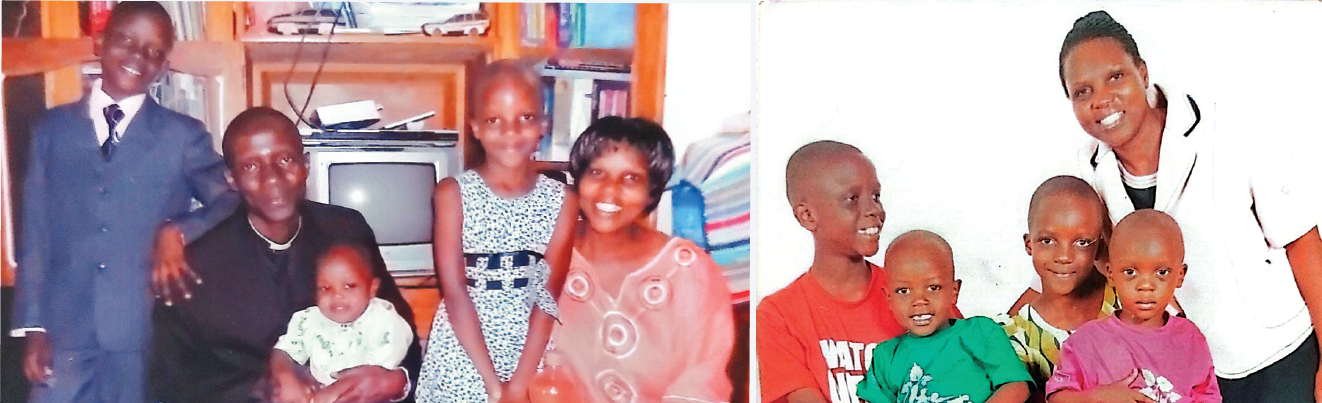

Parenting With Rev. Osire
Peace is a state of wholeness, wellbeing, and right relationship with God and creation, rooted in the biblical concept of shalom, which signifies completeness , harmony, and fulfillment. It is a gift from God, experienced through Jesus Christ, the Prince of Peace, and is mentioned in the Bible about 790 times, highlighting its importance. Peace involves inner tranquility and the ability to foster harmony in the world. The message of peace, central to Jesus’ birth over 2000 years ago, came at a time of political uncertainty, economic hardship due to heavy taxation, and social divisions created by the ruling Roman religious class. This message remains relevant today amid political campaigns, economic pressures, social tensions, business protests such as those against Electronic Fiscal Receipting and Invoicing Solutions (EFRIS), and natural disasters like floods that have damaged downtown Kampala. Misleading religious claims promising miracles and heaven also challenge our understanding of true peace. In homes, especially for children, peace means a safe, loving, and stable environment free from excessive conflict, where children can grow emotionally and intellectually. A peaceful and nurturing home supports emotional well-being, resilience, and the ability to cope with life’s challenges. When parents and caregivers provide calm, stability, and loving guidance, children can regulate their emotions, manage stress, and form secure attachments. Incorporating mindfulness, sensory activities, and creative expression such as art, music, and storytelling further nurtures children’s emotional growth and strengthens family bonds.
A peaceful home nurtures children by providing safety and security, where they feel protected from physical and emotional harm, and emotional stability, with adults modeling healthy coping in a calm, predictable environment. It fosters healthy relationships based on respect, love, and kindness, and establishes consistent boundaries through clear and fair rules that provide structure and security.
A home with open communication allows children to express their feelings and concerns without fear of judgment, while a strong sense of belonging comes from shared activities and family engagement that strengthen connections.
From MUBS Publications, we pray that parents and caregivers reflect on fostering peace at home, knowing that thriving children help make the world better. Wishing a blessed Christmas and a fulfilling 2026.